How to Handle Payment Disputes for Plate Sales
Handle a plate-sale payment dispute with a verified notice, complete order record, reason-matched evidence, customer contact, and clean closeout.
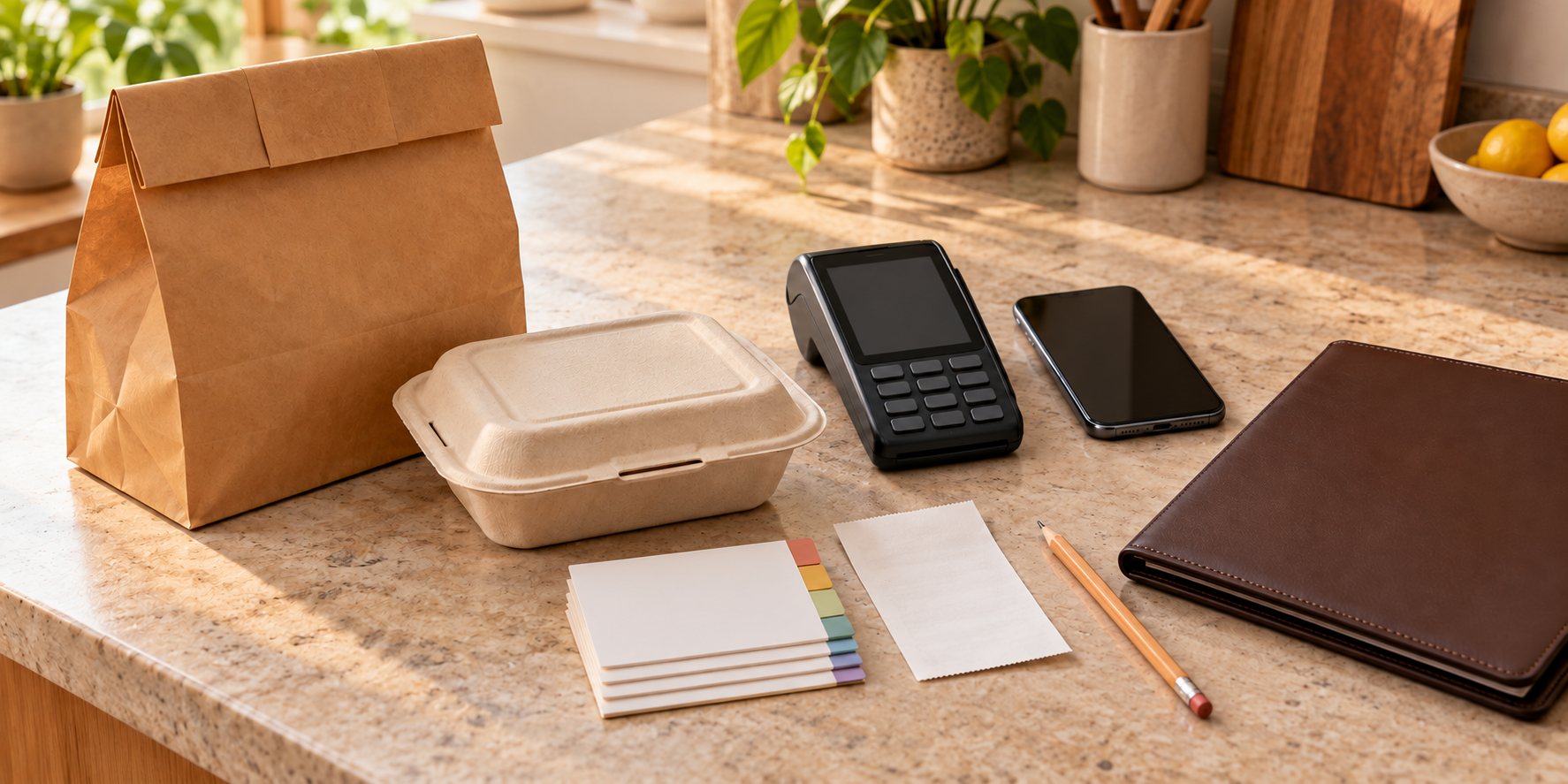
A card-payment dispute can make a completed plate sale feel as if it has reopened without warning. The money may be held or removed, the customer may describe the order differently, and the processor may give you a short response window. Opening every message and uploading every screenshot is not a response plan.
This guide will help you verify the notice, preserve one complete order record, understand the customer’s stated reason, decide whether to accept or challenge the dispute, and submit a focused evidence packet. The goal is a calm case file that answers the actual claim—not a pile of unrelated proof.
Processor workflows, card-network rules, fees, and deadlines can change. The official US guidance linked here was checked on October 1, 2026. Follow the exact instructions in your verified account and get qualified legal or financial advice when the amount or circumstances justify it. No document guarantees that a bank will decide in your favor.
Verify the notice in the real account
Do not begin from the link in an unexpected email or text. Open the payment provider’s app or type its saved official address yourself, sign in, and look for the dispute there. If the account shows nothing, contact support through the provider’s official help route.
That extra step matters because the Federal Trade Commission warns that business scams often impersonate trusted companies and create urgency. A fake “chargeback” alert can be an attempt to steal a password, verification code, bank detail, or payment.
Once the dispute is confirmed, record:
- Processor case or dispute ID
- Order and transaction IDs
- Disputed amount and payment date
- Reason shown by the processor
- Exact response deadline and time zone
- Current case status and funds movement
- Person responsible for the response
Use the deadline displayed in your own account. For example, Square’s current US payment-dispute workflow shows the reason, amount, requested information, and exact documentation deadline. Other providers and payment types may use different steps.
Read the reason before collecting evidence
“The customer disputed the payment” is not specific enough. A case may concern an unrecognized charge, claimed fraud, duplicate payment, canceled order, missing refund, product not received, or product not as described. Each reason asks a different question.
Write the customer’s claim in one neutral sentence. Then list only the facts that could answer it. If the claim is “order not received,” proof that the food looked good does not establish handoff. If it is “duplicate,” a pickup photo does not explain why two charges exist.
Stripe’s sample evidence packets separate evidence by dispute category and use different transaction, refund, communication, fulfillment, and policy records for each. Treat your processor’s request form as the controlling checklist. Do not rename the reason into the case you would rather answer.
Freeze one complete order record
Preserve the original records before editing your roster or deleting working copies. Create a case folder linked to the dispute ID, then copy in the relevant material without changing the source documents.
A useful plate-sale case file may include:
- Original order submission and order ID
- Menu description, quantity, choices, price, and total accepted
- Payment confirmation and itemized receipt
- Cancellation, refund, pickup, or delivery terms shown before payment
- Final confirmation with fulfillment date, window, and location
- Approved changes, substitutions, or refunds
- Packing ticket and package count
- Pickup or delivery status, date, time, and responsible person
- Relevant customer messages in chronological order
Your preorder system should already connect the order, payment, confirmation, and closing status. The final pickup check can supply the item count and handoff record.
Keep only information that belongs to this transaction and response. Do not add full card numbers, security codes, unrelated customer histories, private health details, or an entire contact list. Square’s current document guide says evidence should be factual, clear, concise, and matched to the dispute; it also says sellers must not store a customer’s CVV.
Contact the customer without pressuring them
If the processor permits customer contact, send one calm message through the established order channel. Identify the order, state that the payment was disputed, and ask whether there is a misunderstanding you can resolve. Do not accuse the customer of fraud, threaten them, ask them to withdraw a legitimate complaint, or post the disagreement publicly.
A practical message might be:
We received a payment dispute for order P-214 from September 26. Our record shows two chicken plates collected during the 5:30–6:00 p.m. window. If you believe the charge, order, or resolution is incorrect, please reply here with the detail we should review.
Save the message and any reply. If the customer identifies a real error, follow the provider’s current resolution instructions rather than promising an off-platform transfer. Keep a food-safety complaint on its separate safety path; the food-safety complaint workflow should not be reduced to a payment argument.
Choose whether to accept or challenge
Challenge only when the transaction appears valid and you have relevant evidence. Accept when the customer’s claim is correct, the wrong amount was charged, a promised refund was not completed, the order was not fulfilled as agreed, or your evidence cannot honestly support a challenge.
Use a short decision sheet:
| Question | Record the answer |
|---|---|
| What exactly is disputed? | Reason, amount, and customer claim |
| What does the original record show? | Order, payment, terms, changes, and fulfillment |
| Is the customer correct? | Yes, no, or still unresolved |
| What evidence answers the reason? | Specific files, not the whole archive |
| What does the processor allow now? | Accept, challenge, refund, or another stated action |
| Who reviews the final response? | Named owner and review time |
The processor helps carry the response, but the issuing bank or applicable decision-maker controls the result. Square states in its current dispute process that it does not decide the chargeback outcome. Treat a challenge as a factual submission, not a promise that the funds will return.
Build a reason-matched evidence packet
Start with a half-page summary: transaction, claim, your response, and the attached evidence. Put the remaining records in chronological order and label each with the fact it supports. Make every page readable at normal size.
For a plate-sale pickup dispute, a focused packet might contain:
- Itemized order confirmation showing the two meals, total, and order ID.
- Checkout record showing the accepted pickup and refund terms.
- Final confirmation showing the promised pickup window and location.
- Packing ticket showing both meals and the completed release check.
- Handoff record showing the order ID, date, time, and recipient confirmation method.
- Relevant customer messages before and after pickup.
Square’s food-and-beverage guidance for goods claimed as not received identifies itemized order details and pickup documentation tied to the location, date, time, and customer acknowledgement as potentially useful. Follow the evidence types requested in your own case; do not invent a signature or recreate a receipt after the fact.
Redact unrelated personal information only when the processor’s rules allow it and the remaining record still proves the point. Keep an untouched original in your controlled archive. Before submitting, compare every attachment with the reason code and remove duplicates, emotional commentary, unsupported claims, and files that belong to another customer.
Close the case in your records
After submission, save the final packet, submission confirmation, and case status. Do not keep editing the submitted copy. Monitor the verified dashboard, record any permitted follow-up, and preserve the final decision.
When the case closes, connect the outcome to your bookkeeping record. Record the original sale, disputed amount, processor adjustment or fee, refund if any, and final release or loss of funds as separate events. Do not quietly delete the original sale or count returned funds as a new customer payment.
Also close the operational question. Was the order actually wrong? Did the customer fail to recognize the statement name? Was the pickup record too vague? Did the policy appear only after checkout? A lost dispute and a real fulfillment failure can point to the same improvement, but they are not automatically the same fact.
Improve the next sale before the next dispute
Use the case to make one preventive change. Square’s dispute-prevention guidance emphasizes recognizable business details, clear contact information, accurate descriptions, receipts, acknowledged terms, and completion evidence.
For the next menu drop, check that:
- The statement descriptor or business name is recognizable where your provider allows it.
- The receipt names the food, quantity, price, and total accurately.
- Pickup or delivery terms appear before payment and in the confirmation.
- One order ID connects payment, packing, handoff, refund, and customer messages.
- Handoff is recorded without exposing unnecessary customer information.
- Refunds use the original payment route unless verified provider guidance requires otherwise.
- The owner checks the real dashboard for dispute notices on a regular schedule.
Run a rehearsal with one fictional “not received” case. Give the reviewer only the reason and the sample order file, then ask them to build the packet. If they need an old direct message, cannot prove which package left, or find three versions of the policy, fix that gap before the next sale.
Start with the record, not the argument. Verify the notice, answer the stated reason, submit only the evidence that belongs to that transaction, and close the financial and operating records when the decision arrives. The Selling Plates guide can help connect that discipline to the wider order, pricing, and customer workflow.
Ready to move?
Turn the research phase into your first sale.
The guide brings pricing, menu planning, marketing, and setup into one clear playbook.
Get the guide on Gumroad